项目名称:不锈钢的楔入2

方案设计:栖斯设计

木作深化:纸和木工

落地执行:纸和木工

设计和完成年份: 2025
状态:已建成
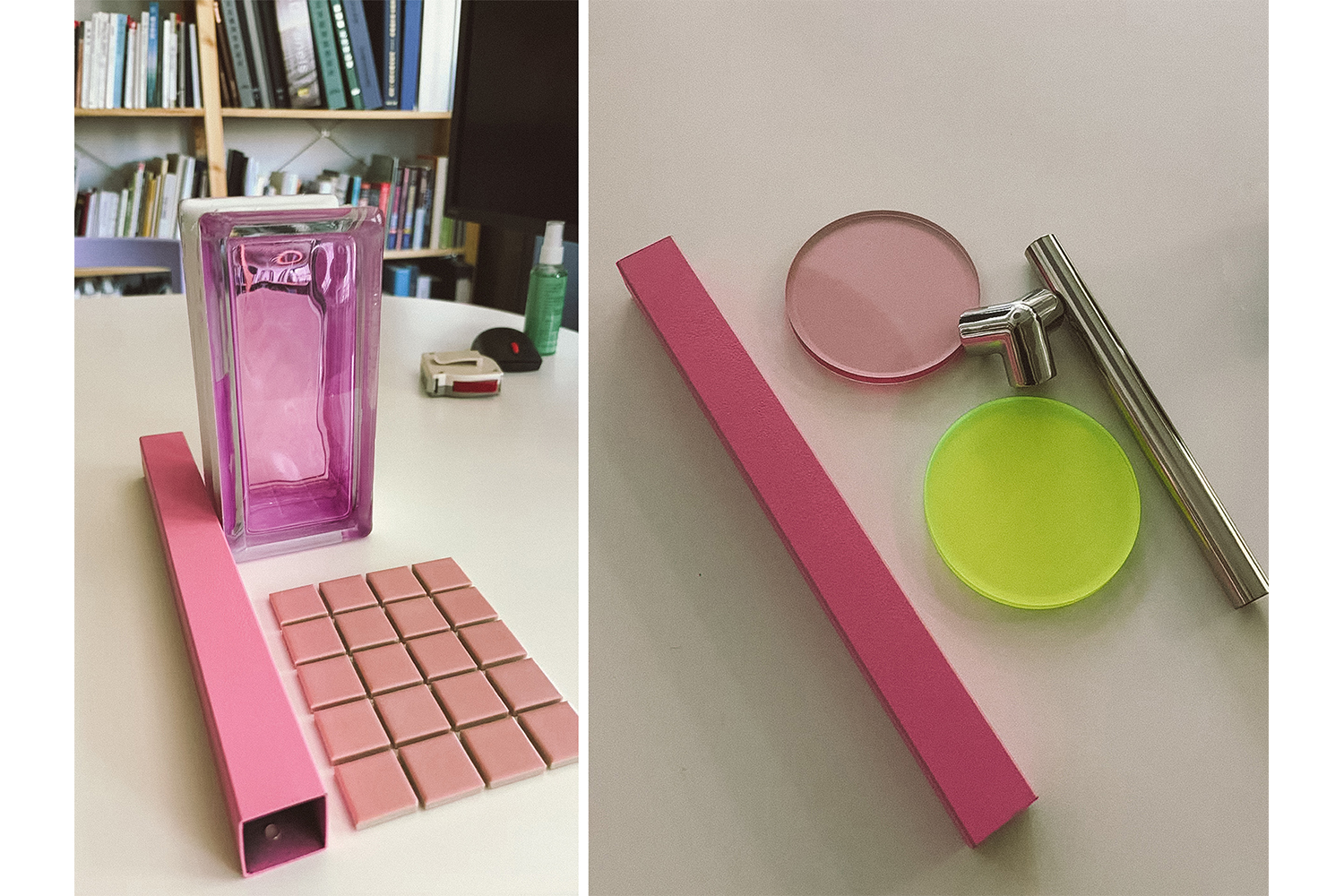
主要材料工艺:免漆板、不锈钢圆管、不锈钢方钢、不锈钢板、亚克力

栖斯在该住宅项目的定制家具上大胆采用了不锈钢、亚克力、木质定制柜相结合的方式,营造出一个轻盈、坚固、且极具个性的空间。该项目中的定制家具颠覆了人们对于“木作全屋定制”的刻板印象。而创新总是与挑战并行。本项目有三个主要难点:a:新材料的连接工艺;b:安装成果预期管控;c:单元模组的优化;“纸和木工”作为全屋定制木作的落地方,在完成了整套有趣且艰难的定制后,在此文通过三种典型定制柜分享相关经验。
Qisi boldly integrated stainless steel, acrylic and custom wooden cabinets into the bespoke furniture of this residential project, crafting a space that is light, solid and full of unique character.
 The custom furniture in this project overturns people’s stereotype of full-house woodwork customization. Innovation always comes hand in hand with challenges. There are three core difficulties in this project: a. Connection technology of new materials;b. Expectation management of installation effects;c. Optimization of unit modules. As the execution party for full-house customized woodwork, Paper and Woodwork has completed this entire set of interesting yet demanding custom works. This article shares relevant experience through three typical custom cabinets.
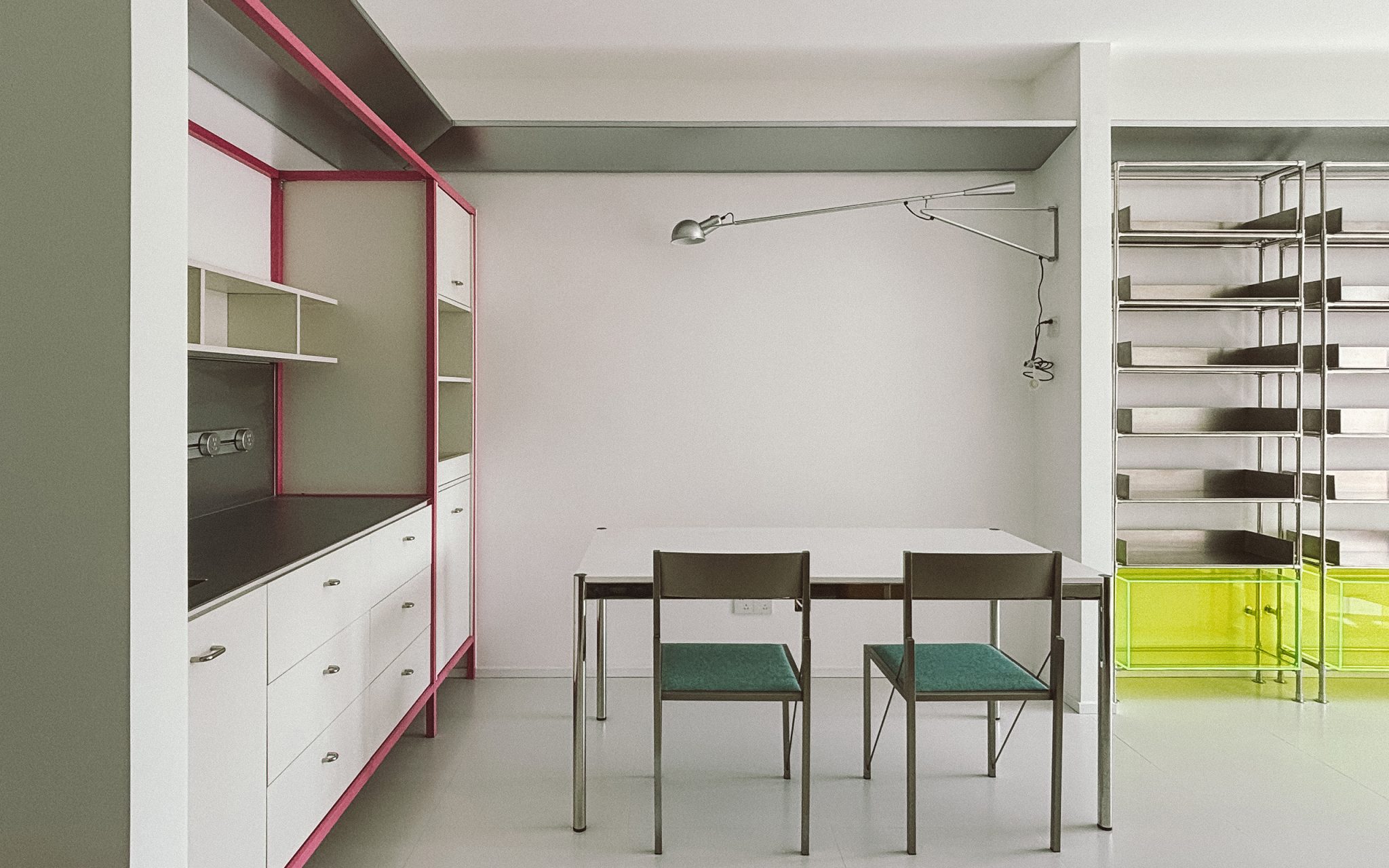
不锈钢、亚克力是非常规材料。在前期准备阶段需要预留充足的打样时间以规避风险。除了排查材料特性带来的不定因素,工期控制也要纳入考量。
Stainless steel and acrylic are non-conventional materials. Sufficient time should be reserved for sampling in the preliminary preparation phase to avoid potential risks. Besides identifying uncertain factors arising from material properties, construction schedule control must also be taken into account.
1:没有木料参与的纯不锈钢书架
Pure stainless steel bookshelf without any wood components
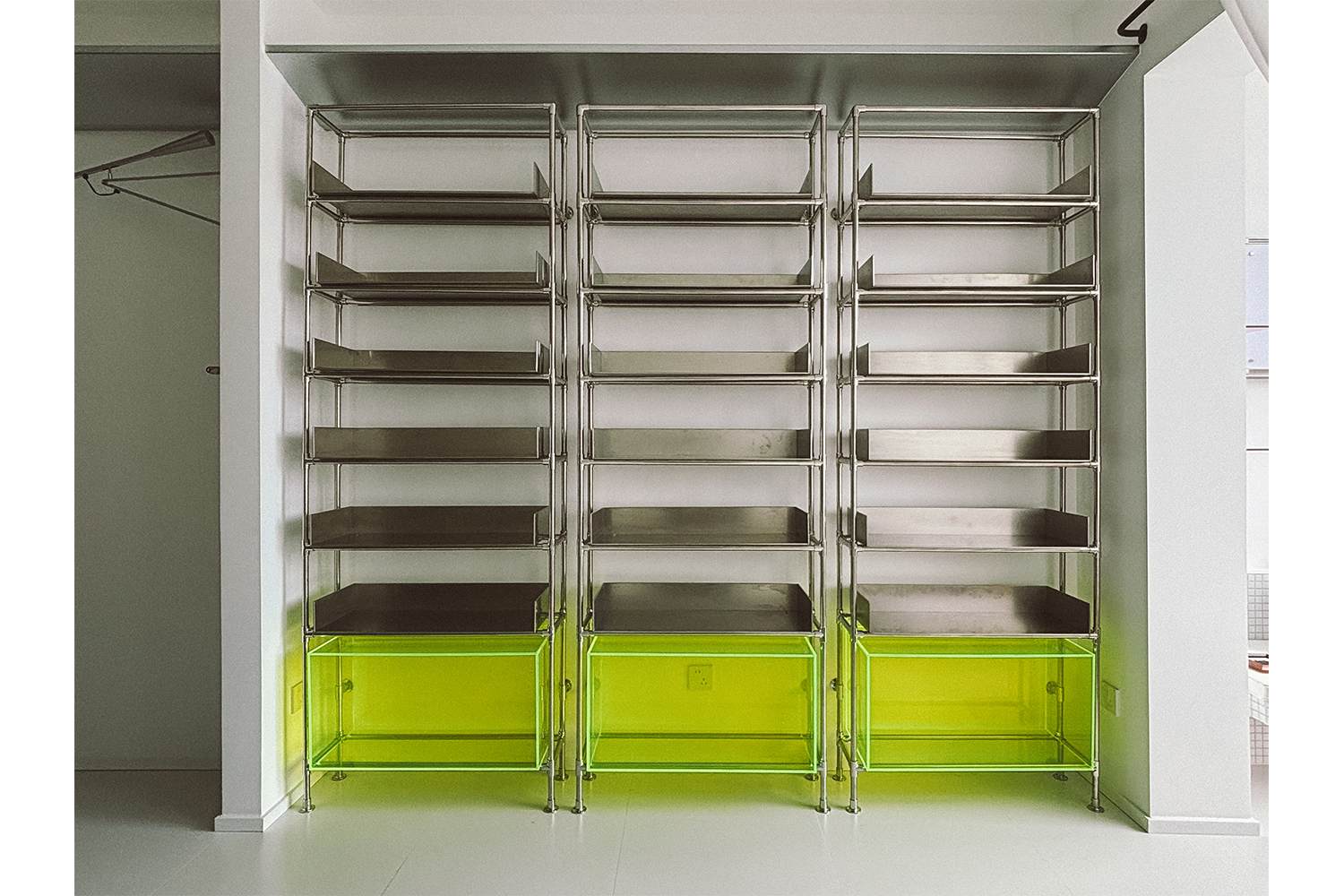
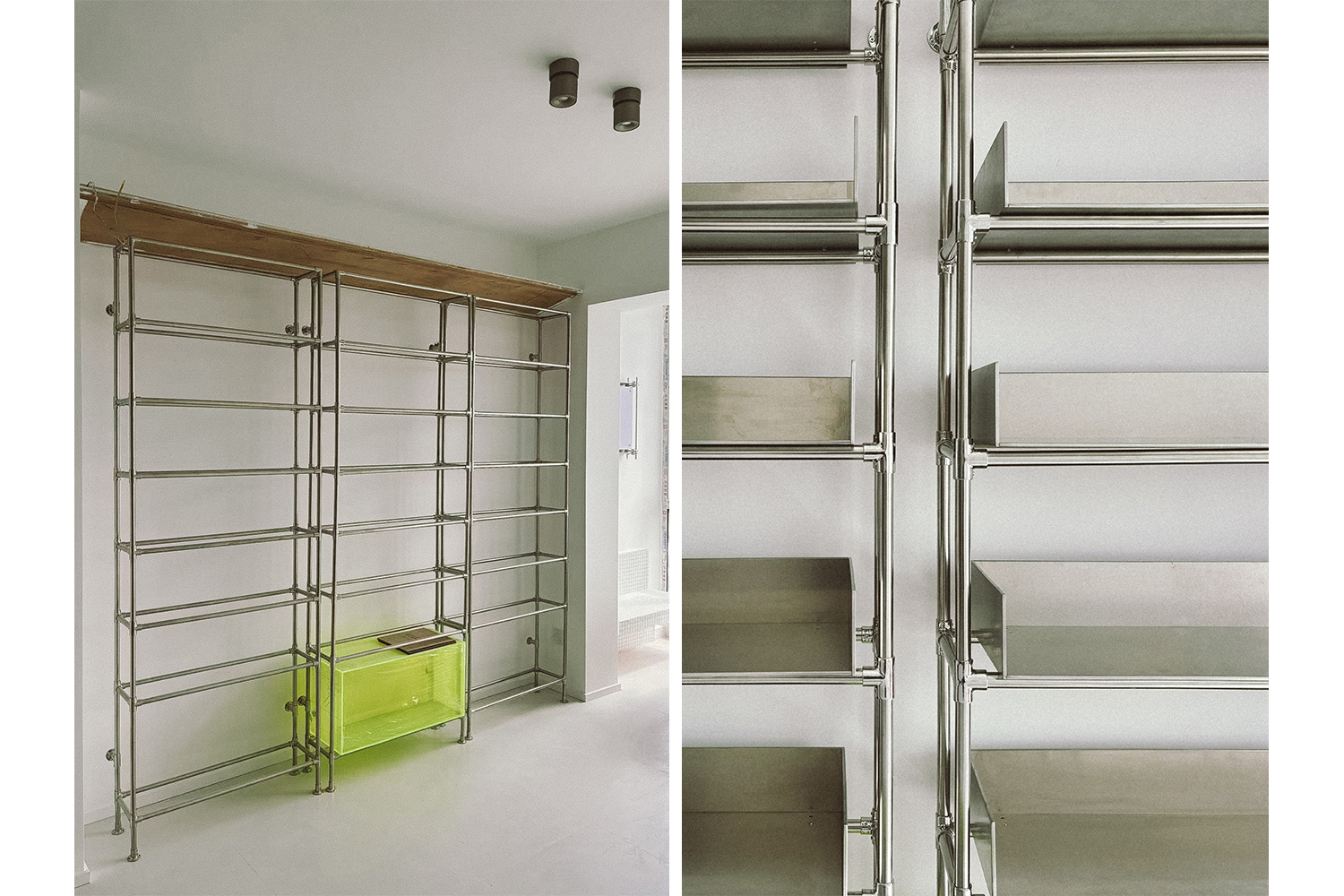
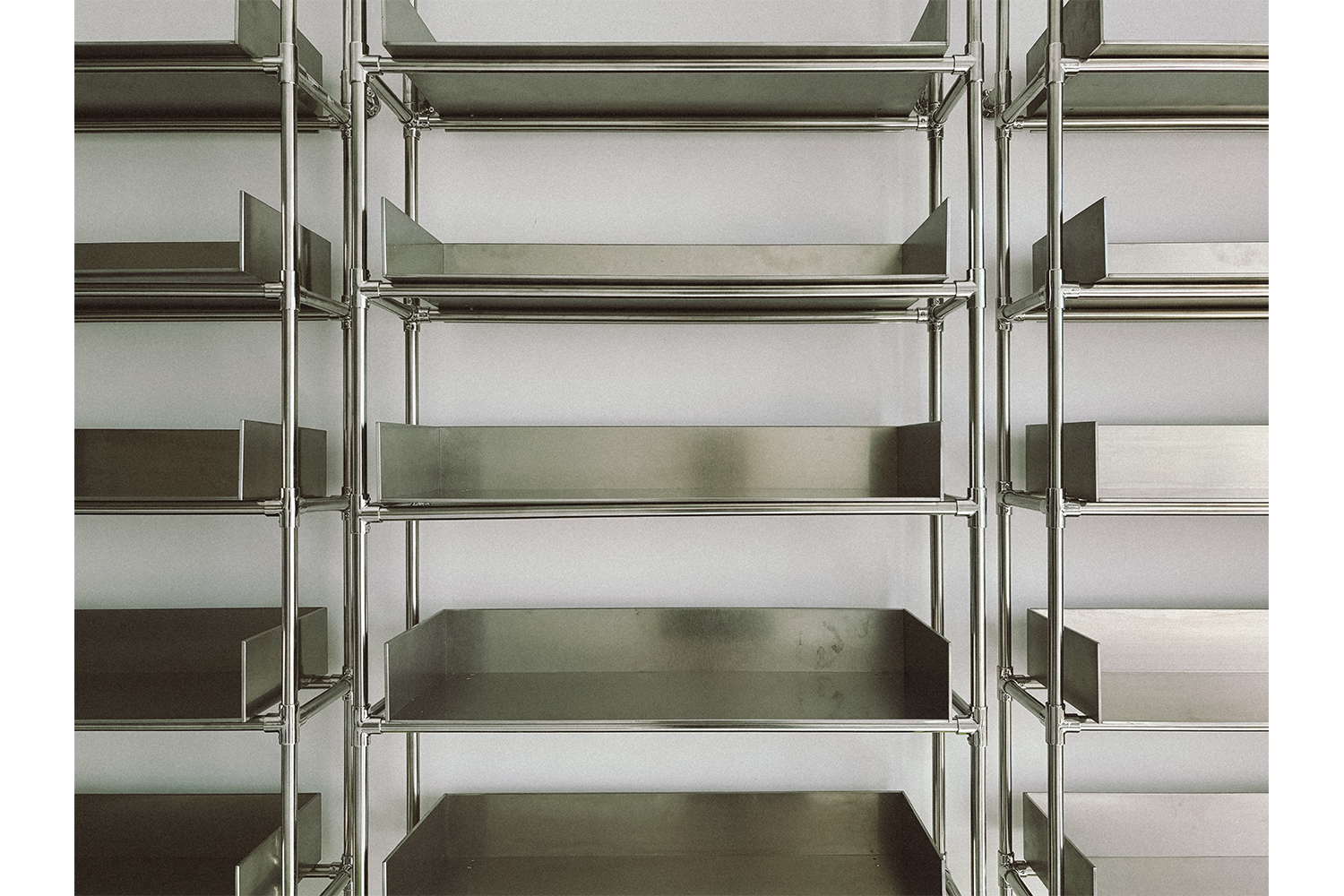
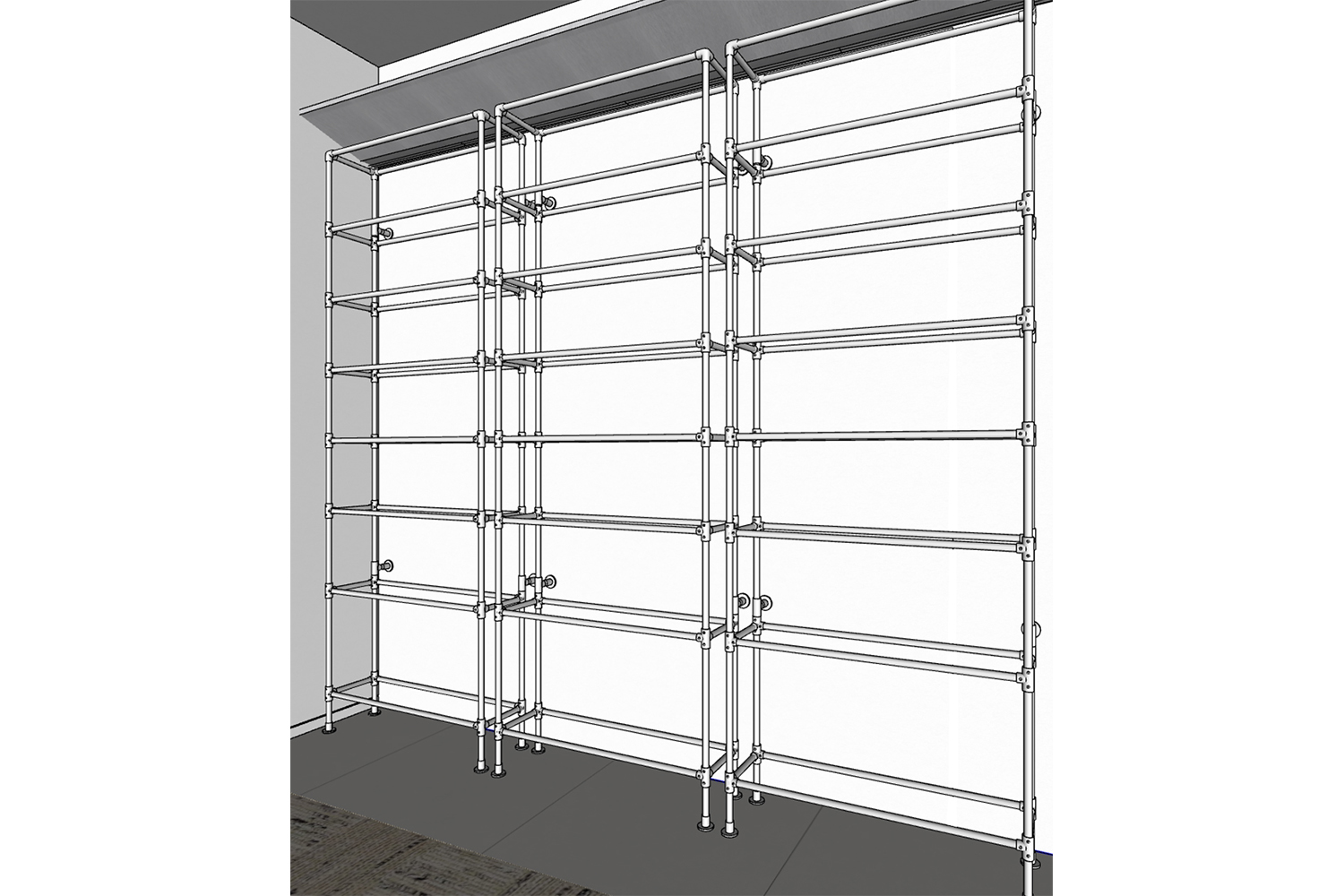
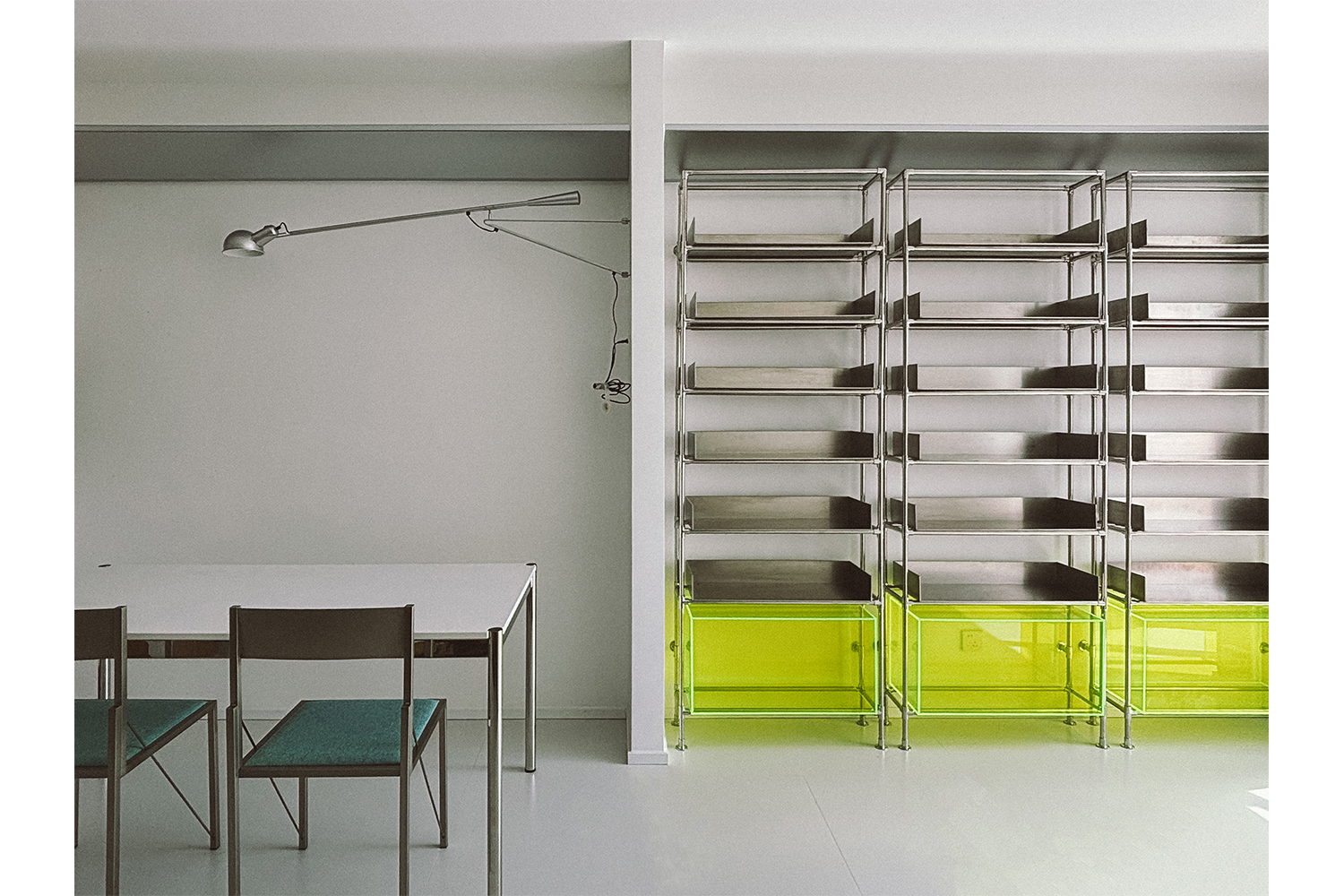
该组书架的框架采用了成品连接件,该连接件是位于角部的不锈钢构件。通过三通、四通的形式与不锈钢杆插接固定。放书的开放格采用厚不锈钢板定制。最下方一行开放格完全采用亚克力材质。
This set of bookshelves adopts prefabricated connectors for its frame. The connectors are stainless steel components installed at the corners, which are inserted and fixed to the stainless steel rods via three-way and four-way joints. The open book compartments are custom-made from thick stainless steel panels, while the bottom row of open compartments is constructed entirely of acrylic.
这组家具模块化程度高、安装逻辑简明。结构骨架与主要置物格分离。唯一要注意的是安装过程较繁复。在设计阶段,需要准确统计所有构件并算好冗余量。在安装阶段,需要与安装师详细沟通细节要求,因为构件较多,需要固定螺钉的节点更多,可称成倍增加。这需要安装师有一定的耐心去完成所有的固定动作,以及愿意对构件进行细微尺度的控制和调整。
This set of furniture features a high degree of modularity and a straightforward installation logic. Its structural frame is separated from the main storage compartments. The only caveat is that the installation process is rather intricate. During the design phase, all components must be accurately counted with adequate redundancy reserved. In the installation stage, detailed communication of technical requirements with installers is essential. Given the large number of components, the fastening screw joints increase exponentially. This requires installers to be sufficiently patient to complete all fastening work, as well as willing to make fine dimensional calibration and adjustment for each component.
2:由不锈钢杆件与木质柜组合而成的柜子
A cabinet combined with stainless steel rods and wooden cabinets.
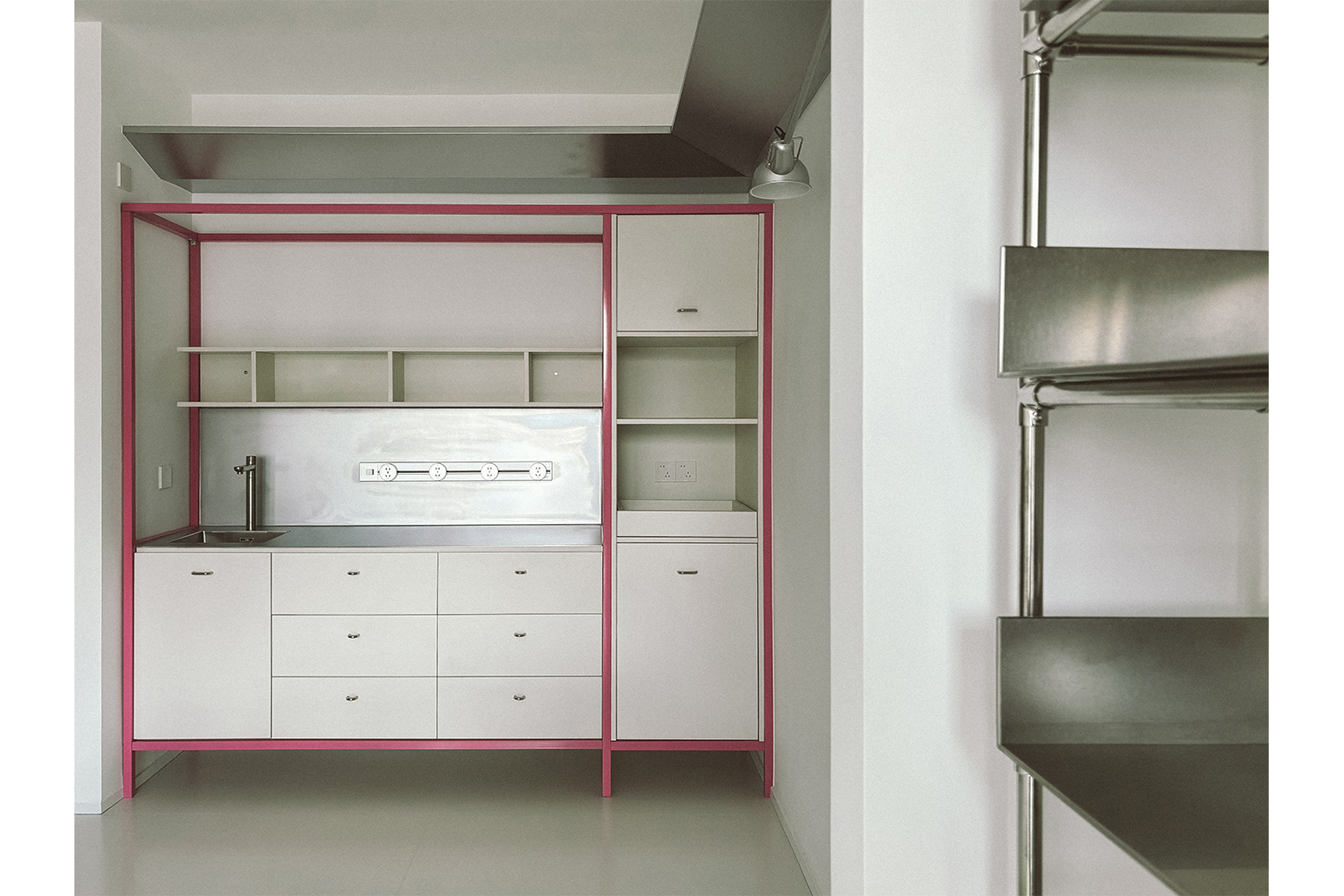
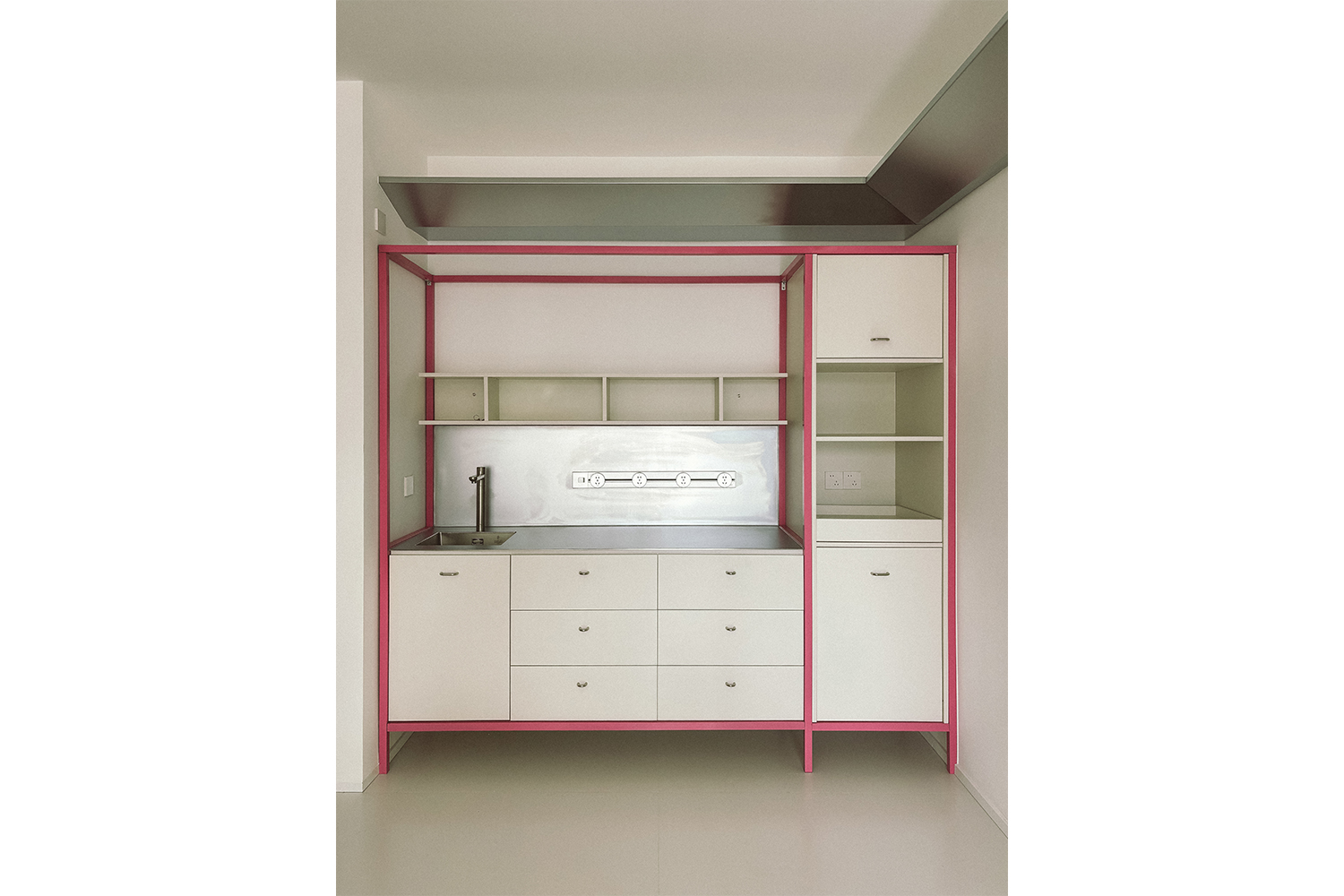
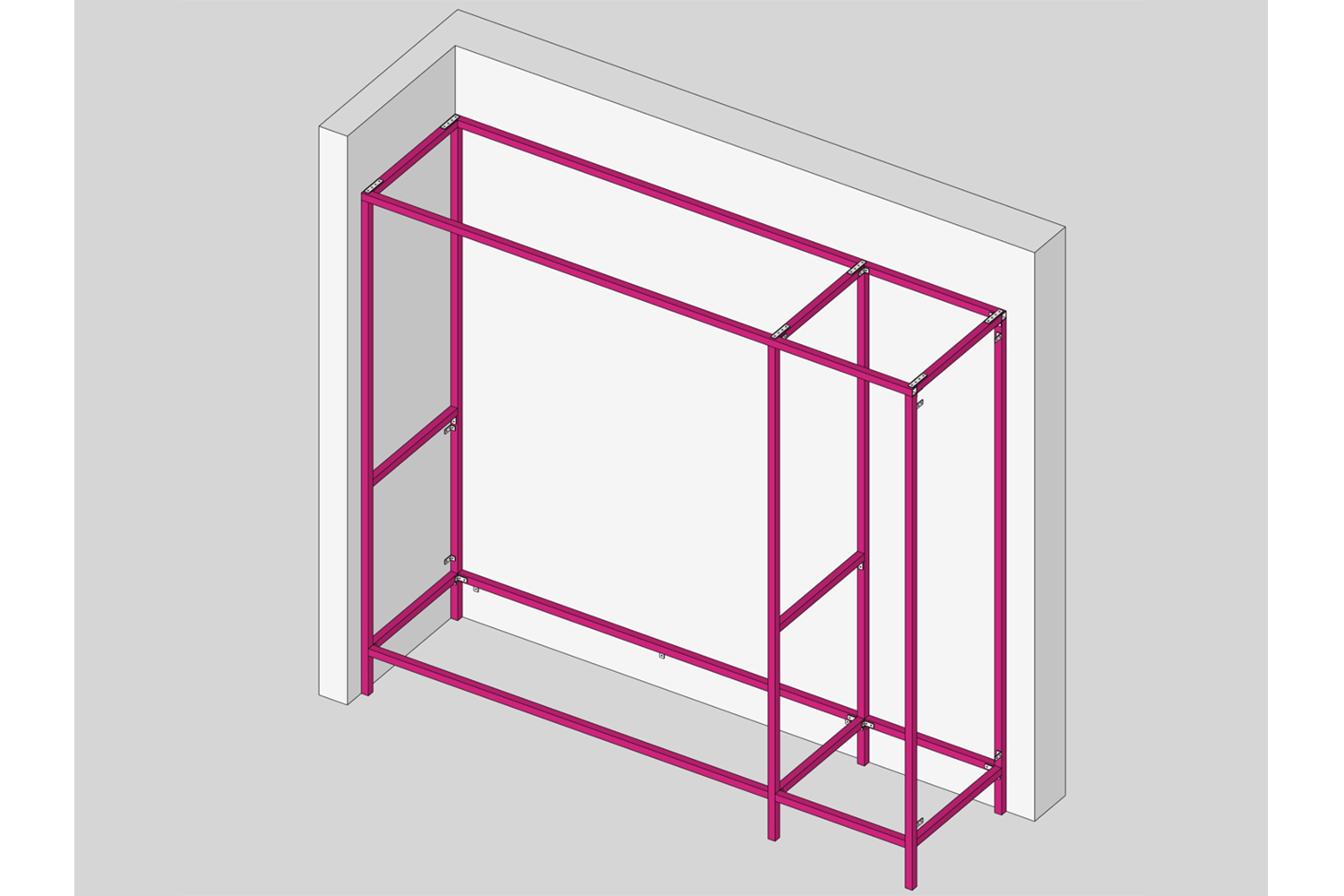
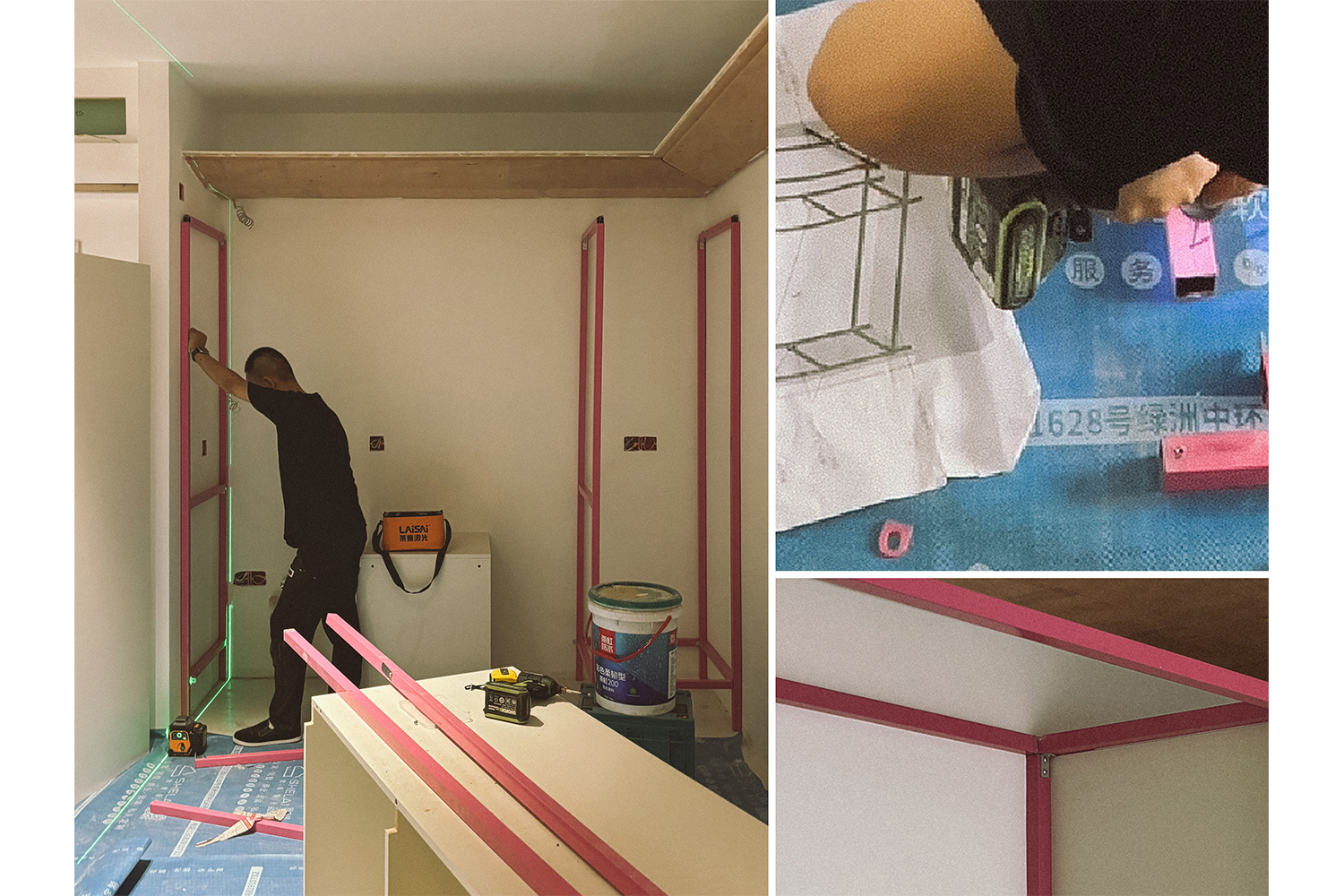
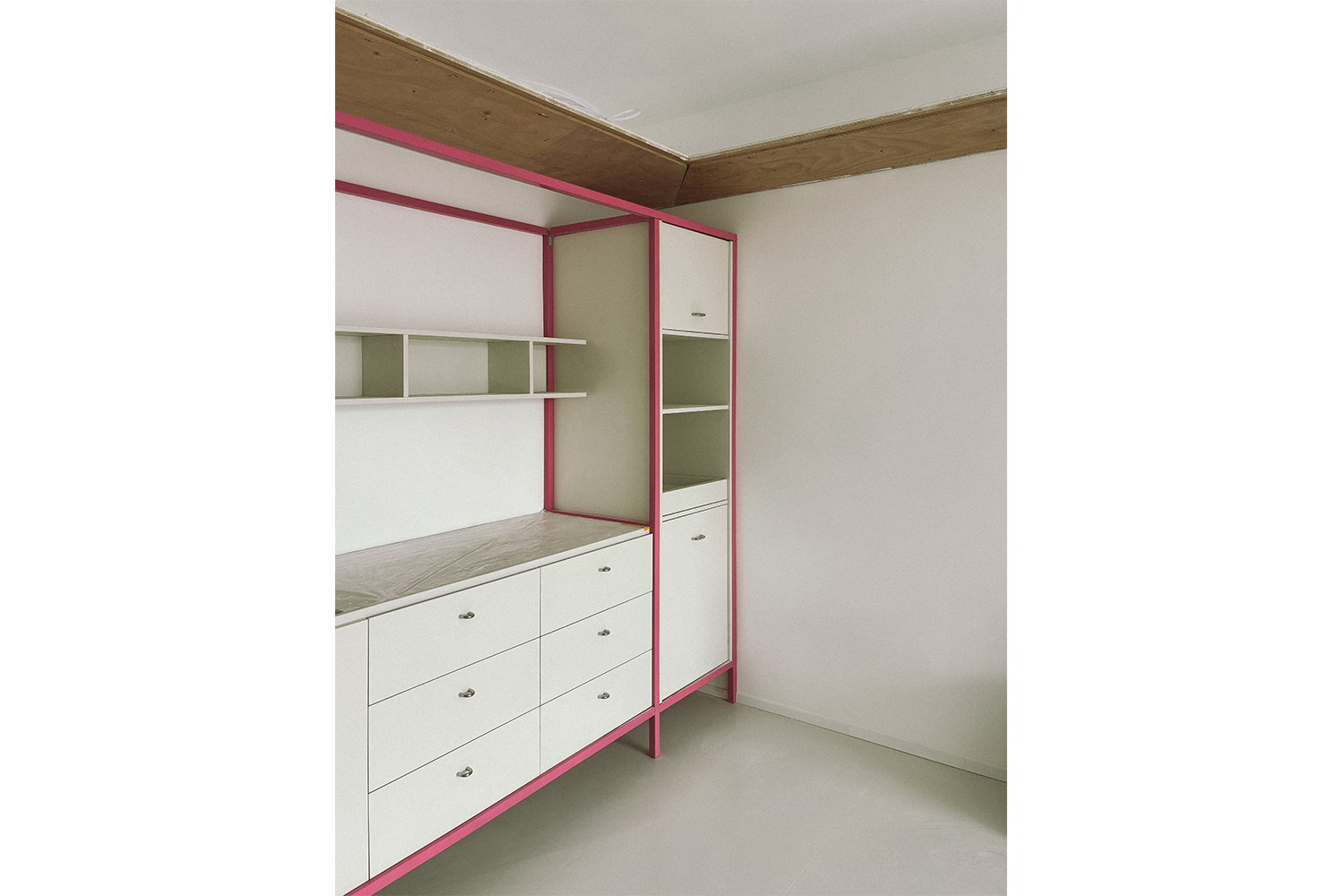
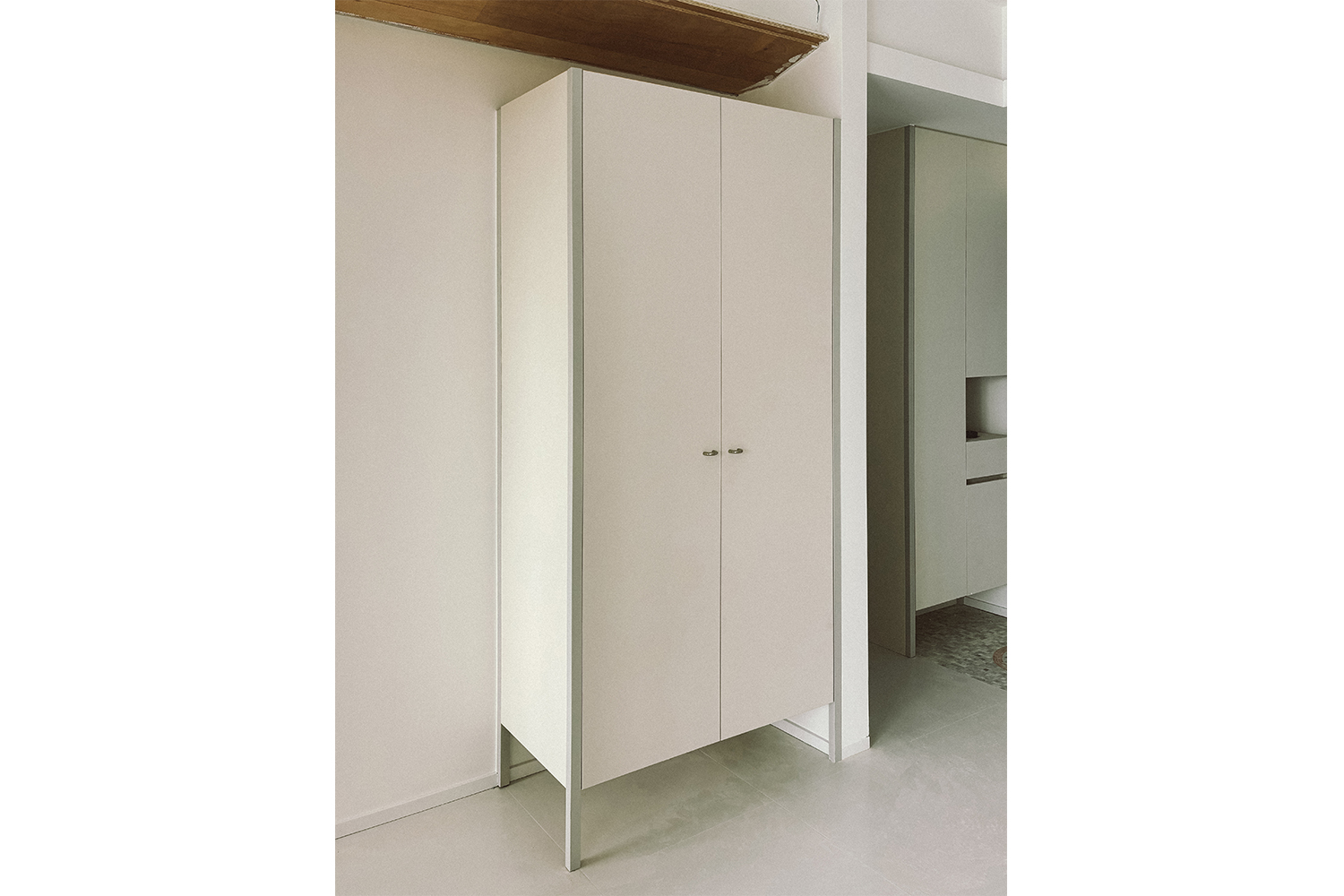
该项目中这一类型定制柜由烤漆方钢与木质柜组合而成。难点在于构件的连接工艺和现场的定位。该柜整体外观呈现出经由纤细杆件架起厚重柜体所产生的反差感。实际在完成这组家具时,并不是搭建好所有金属框再“放上”木柜,而是金属杆单元与木质单元同步定位固定。最终当整体造型完成,螺钉固定到位以后,这组柜子确也形成了稳定的整体结构。设计效果中木板与金属精准的搭接关系被高度还原。

This type of custom cabinet in the project is composed of painted square steel and wooden cabinetry. The main challenges lie in the joining technique of components and on-site positioning. The overall appearance of the cabinet presents a striking visual contrast, where slender metal rods support the solid, heavy cabinet body. In actual fabrication and installation, instead of erecting the entire metal frame first and then placing the wooden cabinets inside, the metal rod units and wooden units are positioned and fixed simultaneously. Once the overall form is finalized and all screws are securely fastened, the cabinet forms a stable integrated structure. The precise overlapping relationship between wooden panels and metal elements as conceived in the design is perfectly reproduced.

该项目金属杆件采用现场开孔角码固定的方式,对安装师现场作业提出较高的要求。在后续项目中同类型构造则进行了优化提升。改用预制孔洞形式,这部分内容待后续细谈。
For the metal rods in this project, on-site drilled angle brackets were adopted for fixation, placing high demands on the installers’ on-site workmanship. Structures of the same type have been optimized and upgraded in subsequent projects by switching to pre-fabricated holes. Further details will be elaborated later.
3:兼顾设计造型与“日系五金”的木质橱柜
Wooden Cabinet Balancing Aesthetic Form and Japanese-Style Hardware
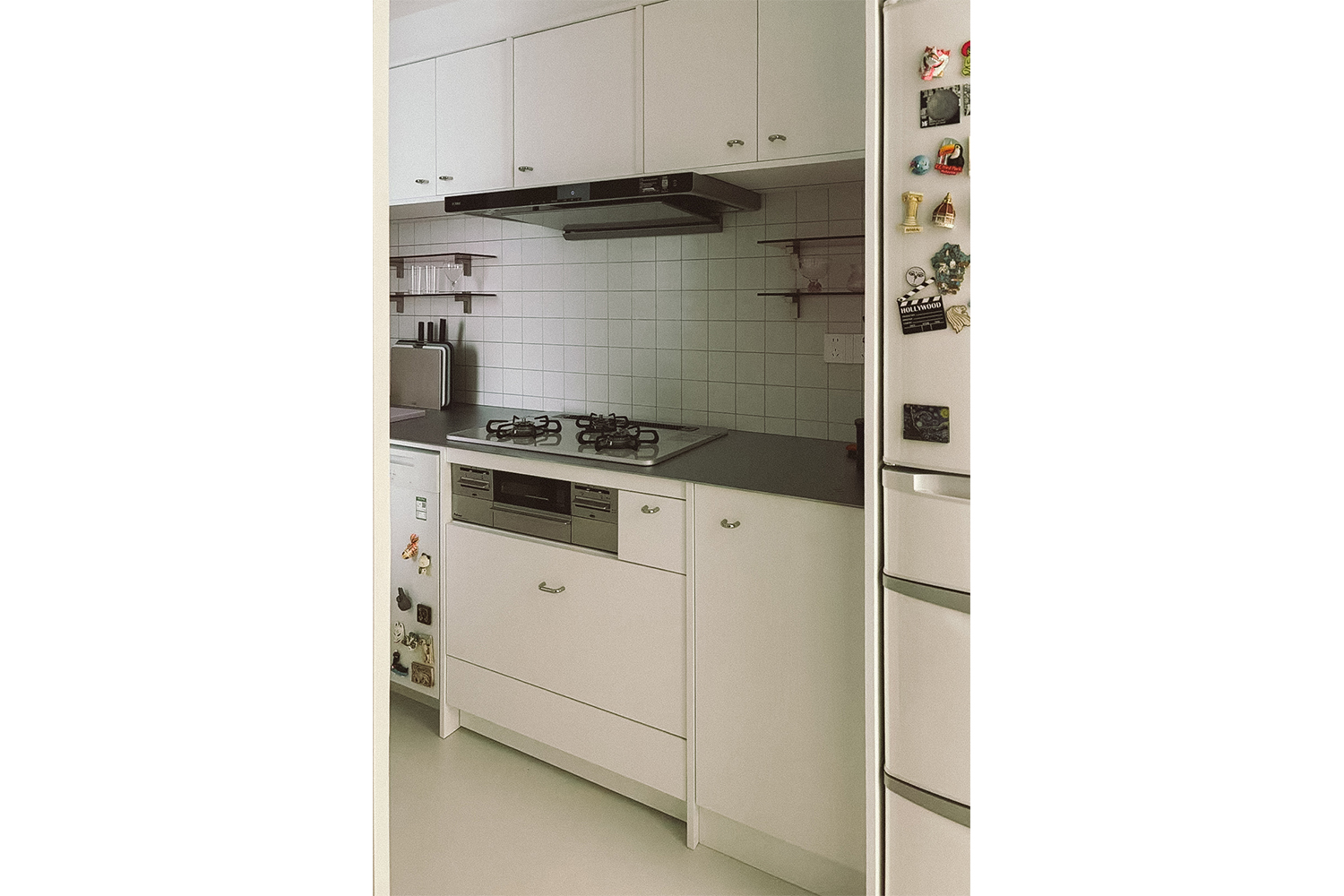
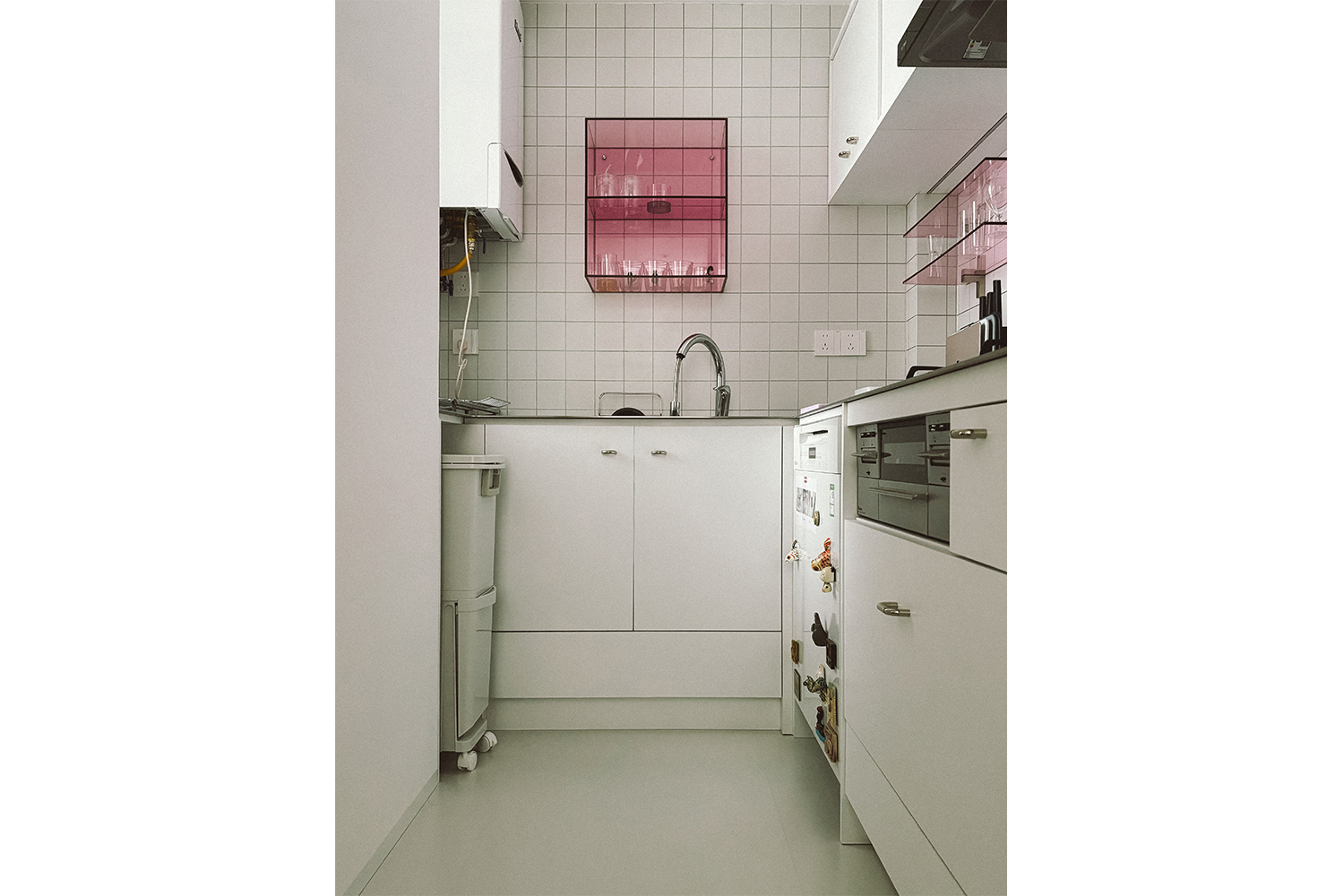
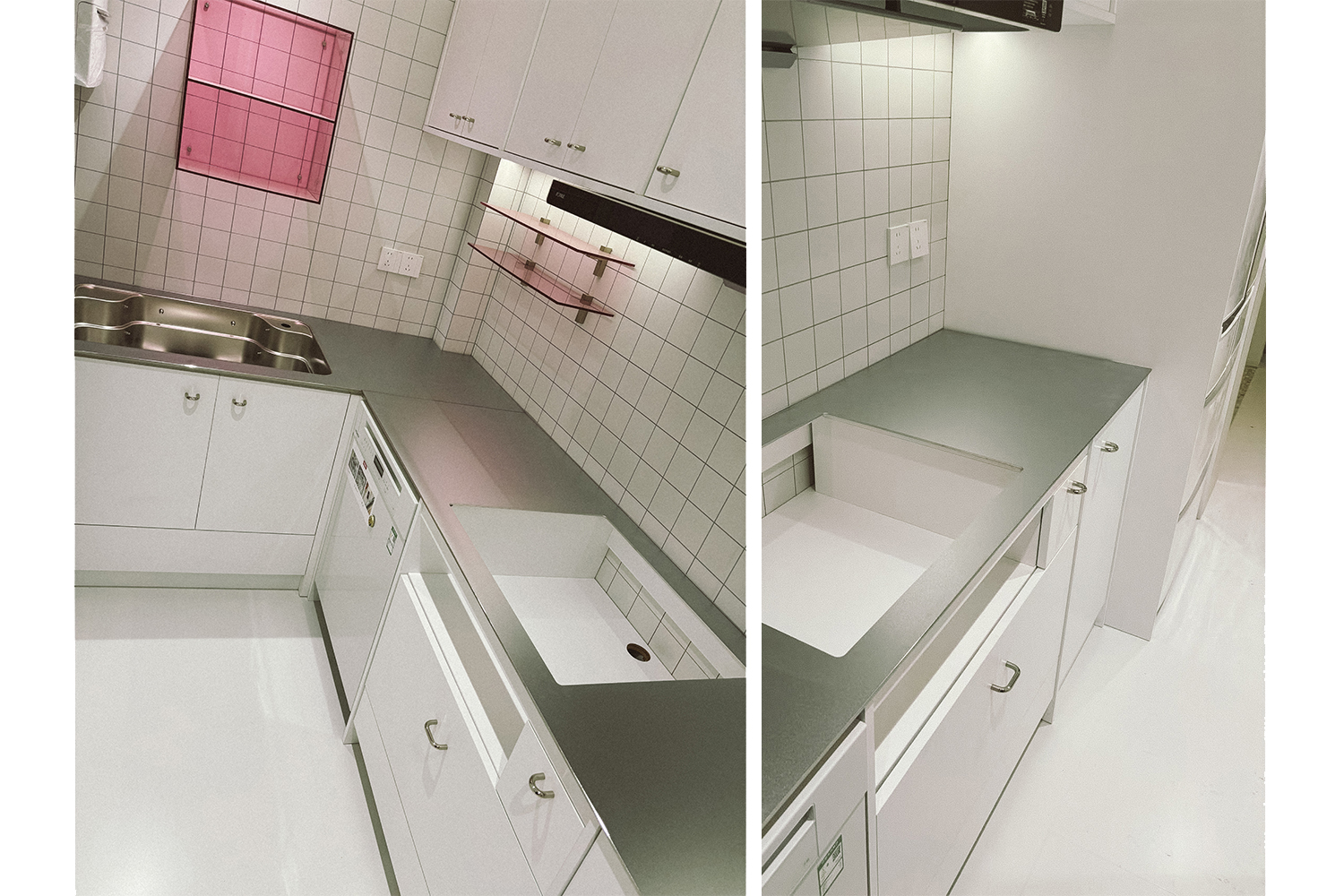
所谓“日系五金”是指以骊住为代表的日系品牌橱柜所使用的五金。基本元素是三眼灶、小调味抽、倾斜抽、踢脚抽。这类五金往往只有日系品牌在用,并且对应的木质柜必须固定尺寸、固定造型。栖斯在设计这组橱柜的时候,采用侧板外露,切分相邻单元的形式。橱柜的深化设计难点在于既满足设计方对外观的要求,同时也适配这几种特殊五金。而五金供应商并不能提供全方位的数据支持,只能摸索前行。因此,需要安装师与家具深化设计师针对现场实际安装遇到的问题灵活处理。以及经过尝试后对相关五金数据的详细记录(也就是经验积累)。
The so-called “Japanese-style hardware” refers to the hardware adopted by Japanese cabinet brands represented by LIXIL, whose basic elements include three-burner stoves, narrow seasoning drawers, inclined drawers and kickboard drawers. This type of hardware is mostly used only by Japanese brands, and the matching wooden cabinets must adopt fixed dimensions and fixed shapes. When designing this set of cabinets, Qisi adopted the form of exposed side panels to separate adjacent units. The difficulty in the detailed design of the cabinets lies in meeting the designer’s requirements for appearance while adapting to these several types of special hardware. However, hardware suppliers cannot provide comprehensive data support, leaving the team to proceed through trial and error. Therefore, installers and furniture detailed designers need to flexibly handle problems encountered during on-site installation, and record relevant hardware data in detail after repeated attempts to accumulate practical experience.
在该项目中,纸和木工团队除了积累到新材料落地实施的经验,也对这种程度的创新以及带来的相关挑战有了具体的认知。该类型项目需要投入怎样的精力与时间;如何管控项目的完成度以及提前预判完成度;如和理性合理的管控设计、业主对实物的预期;这些经验才是最为重要的。
In this project, the Paper and Woodwork team not only gained experience in the implementation of new materials, but also formed a clear understanding of innovations at this level and the corresponding challenges they bring. It is most crucial to accumulate experience in figuring out how much effort and time such projects require, how to control and predict project completion progress in advance, and how to rationally manage design expectations and the owner’s anticipation of the finished physical works.